India's Securities and Exchange Board (Sebi) has conducted a study revealing that large players in the Futures and Options (F&O) market are profiting at the expense of retail investors. This finding spotlights significant issues in market dynamics that could have long-term implications for retail investors across the country.
The Sebi study, which delved into the intricate workings of the F&O market, highlights how major institutional players leverage their significant resources to gain competitive advantages, often to the detriment of smaller retail investors. This disparity raises questions about the fairness and transparency of the market, pressing regulators to consider potential interventions to level the playing field.
Insights from the Sebi Study
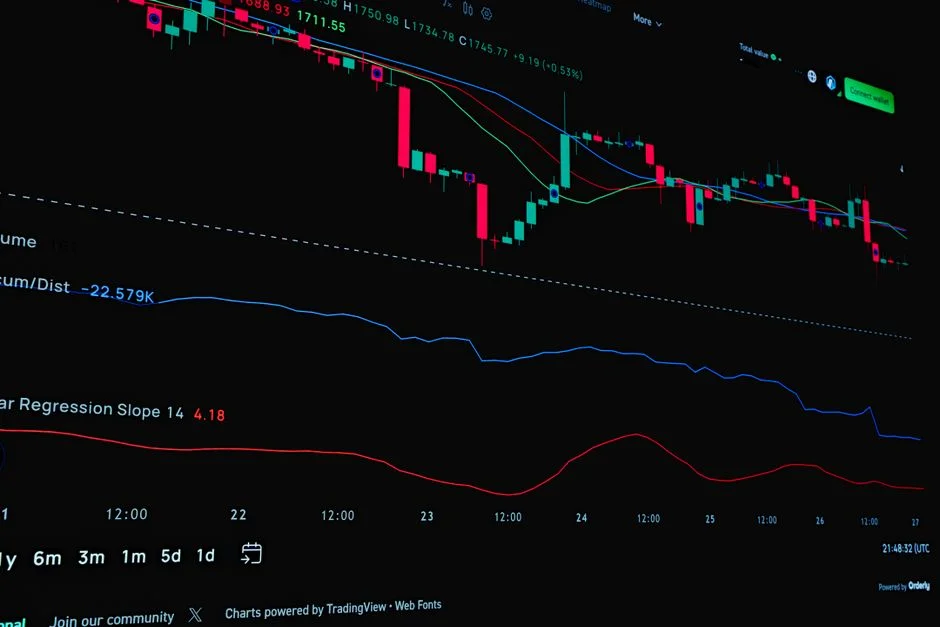
The Sebi study provides a comprehensive analysis of the F&O market, focusing on the participant profiles and their respective gains and losses. The study found that retail investors, who form a substantial part of the market's volume, are consistently experiencing losses, while large institutional players are reaping significant profits. This trend underscores a systemic issue that could discourage future retail participation in the derivatives market.
According to Sebi, the analysis was based on extensive data collected over a specific period, examining trading patterns, market volumes, and profitability among different participant categories. The detailed findings indicate that the sophisticated strategies employed by large players give them a clear edge, allowing them to exploit market conditions more effectively than their retail counterparts.
The Role of Institutional Players
Institutional players, which include banks, mutual funds, and hedge funds, have access to advanced trading algorithms and large capital reserves. These resources enable them to execute complex strategies such as arbitrage and market-making, positioning them to capitalize on even minute market fluctuations.
In contrast, retail investors often lack the technical expertise and financial means to engage in such high-level trading strategies. This disparity not only impacts individual investors but also has broader implications for the market's health and sustainability. If retail participants continue to bear the brunt of losses, their withdrawal could lead to reduced liquidity and increased volatility.
Market Dynamics and Local Impact
The implications of Sebi's findings extend beyond individual investors to influence broader market conditions. In states and districts heavily reliant on a thriving financial sector, such as Maharashtra and Karnataka, the success of retail investors can have significant economic repercussions. The losses faced by these investors may affect local economies, impacting everything from consumer spending to job creation in finance-related industries.
- Retail investors are showing a declining trend in market participation due to consistent losses.
- Local economy could suffer from decreased retail investor engagement, affecting businesses and jobs.
- State administrations might need to reassess financial literacy programs to support retail investors.
If retail investors continue to lose confidence in the F&O market, the ripple effects might prompt state administrations to call for enhanced financial literacy programs. These initiatives could empower individual investors with better market knowledge, allowing them to make informed decisions and hopefully improve their investment outcomes.
Potential Policy Recommendations
To address these challenges, Sebi might consider implementing policy changes aimed at safeguarding retail investors. Possible interventions could include stricter regulations on high-frequency trading, which is predominantly used by institutional players to gain quick profits.
Another potential measure could involve enhancing transparency in trade executions, ensuring that retail investors have access to the same level of information as their larger counterparts. Such steps could help reduce the informational asymmetry that currently disadvantages smaller participants.
Future Steps and Considerations
The findings of the Sebi study could serve as a catalyst for broader reforms in the F&O market. As the Indian financial market continues to evolve, ensuring a fair and equitable trading environment will be crucial for maintaining investor confidence and market integrity.
Market observers will be keenly watching for Sebi's next steps in response to these findings. Upcoming regulatory announcements or policy adjustments could significantly alter the landscape of F&O trading in India.
For retail investors and financial institutions alike, the developments stemming from this study will be critical to monitor in the coming months. As Sebi deliberates on potential reforms, the emphasis will likely be on balancing the interests of all market participants to foster a more inclusive financial ecosystem.
Looking forward, a key aspect to watch will be the introduction of any new regulations aimed at curbing the advantages held by institutional investors. Such changes could pave the way for a more balanced market where retail investors can thrive alongside their larger counterparts.
Enhancing Retail Investor Protections
The need to bolster protections for retail investors is becoming increasingly apparent in the wake of the Sebi study. These protections are essential not only for safeguarding individual investors but also for ensuring the overall health of the financial markets. By implementing specific measures aimed at leveling the playing field, regulators can help mitigate the risks faced by retail participants.
One approach could involve strengthening the regulatory framework surrounding financial advisors and intermediaries. Ensuring that these professionals are well-regulated and adhere to high ethical standards can provide retail investors with better guidance and reduce the chances of misinformed decision-making. This could include mandatory certifications or continuous professional development requirements for advisors working with retail clients.
Additionally, enhancing financial literacy programs is critical. While there are existing initiatives aimed at educating investors, their reach and effectiveness can be significantly improved. Tailored workshops and online courses that focus on the intricacies of F&O trading, risk management, and investment strategies could empower retail investors with the knowledge needed to navigate complex markets. Collaborations between state governments and financial institutions could facilitate the development of comprehensive educational tools accessible to a broader audience.
Moreover, Sebi might consider introducing a tiered risk assessment system for F&O trading. This system could classify products based on their risk levels, guiding retail investors towards options that align with their risk tolerance and financial expertise. Such a framework would not only protect less experienced investors but also encourage informed participation in the derivatives market.
Debate over Regulatory Interventions
The possibility of regulatory interventions has sparked a debate among market participants and analysts. Proponents argue that stricter regulations are necessary to curb the dominance of institutional players and protect retail investors from systemic exploitation. They assert that without intervention, the market will continue to favor those with greater resources, thereby undermining the principles of fairness and equity.
On the other hand, critics caution against over-regulation, warning that excessive controls could stifle innovation and reduce market efficiency. They argue that the F&O market thrives on liquidity and diversity of strategies, which could be compromised if regulatory measures are too restrictive. Instead, they advocate for a balanced approach that addresses specific issues without hindering the market's natural dynamics.
There's also a call for the promotion of technological advancements that could assist retail investors. By leveraging technology, retail participants could gain access to sophisticated tools and platforms that were traditionally reserved for institutional players. These innovations could democratize access to market insights and analytical capabilities, potentially narrowing the gap between different types of investors.
Global Perspectives and Lessons
Looking at global markets, there are valuable lessons that India can draw upon. In the United States, for example, the introduction of the Dodd-Frank Act post-2008 financial crisis brought significant changes to derivatives trading, including increased transparency and reporting requirements. Such measures have helped foster a more resilient market environment.
Similarly, the European Union's Markets in Financial Instruments Directive (MiFID II) has been instrumental in enhancing transparency and investor protection across EU markets. By studying these international frameworks, India could adapt best practices that suit its unique market conditions and investor base.
Furthermore, cross-border collaborations with foreign regulators and financial bodies could pave the way for knowledge exchange and the development of robust regulatory standards. Such partnerships could also facilitate the adoption of global technological solutions that enhance market accessibility and efficiency.
What's Next for Retail Investors?
As Sebi deliberates on potential reforms, retail investors should remain vigilant and proactive. Staying informed about market developments and potential regulatory changes is crucial. Engaging with financial advisors and participating in educational programs can also help investors enhance their understanding and investment strategies.
Investors should also explore diversified investment avenues beyond F&O trading. By considering a mix of asset classes, such as equities, mutual funds, and bonds, retail participants can better manage risk and achieve more stable returns. This diversification is key to building a resilient investment portfolio that can withstand market volatility.
In conclusion, while the Sebi study highlights significant challenges within the F&O market, it also opens up opportunities for meaningful reforms and improvements. By focusing on investor protection, education, and balanced regulation, India can work towards a more equitable and dynamic financial market that supports the aspirations of all participants.
See Also
- Jato Crashes Near Cochabamba After 2-Hour Flight Spiral
- Keldon Johnson's Role Change Ignites San Antonio Spurs’ Comeback
This diversification is key to building a resilient investment portfolio that can withstand market volatility.In conclusion, while the Sebi study highlights significant challenges within the F&O market, it also opens up opportunities for meaningful reforms and improvements. This could include mandatory certifications or continuous professional development requirements for advisors working with retail clients.Additionally, enhancing financial literacy programs is critical.