Authorities dismantled a 45-foot statue of Lionel Messi in Kolkata on Wednesday, stirring mixed emotions among locals. Officials from the Kolkata Public Works Department (PWD) confirmed that there are currently no plans to relocate the iconic figure, leaving residents uncertain about the future of this beloved landmark.
Community Reaction to the Dismantling
The removal decision has garnered widespread attention, with many fans expressing disappointment. Sharmila Guha, a local resident, lamented, "Messi's statue was a source of pride for football lovers in our city. We hope it returns in some form." This sentiment reflects a common view among Kolkata's vibrant football community, which celebrates its rich sporting history.
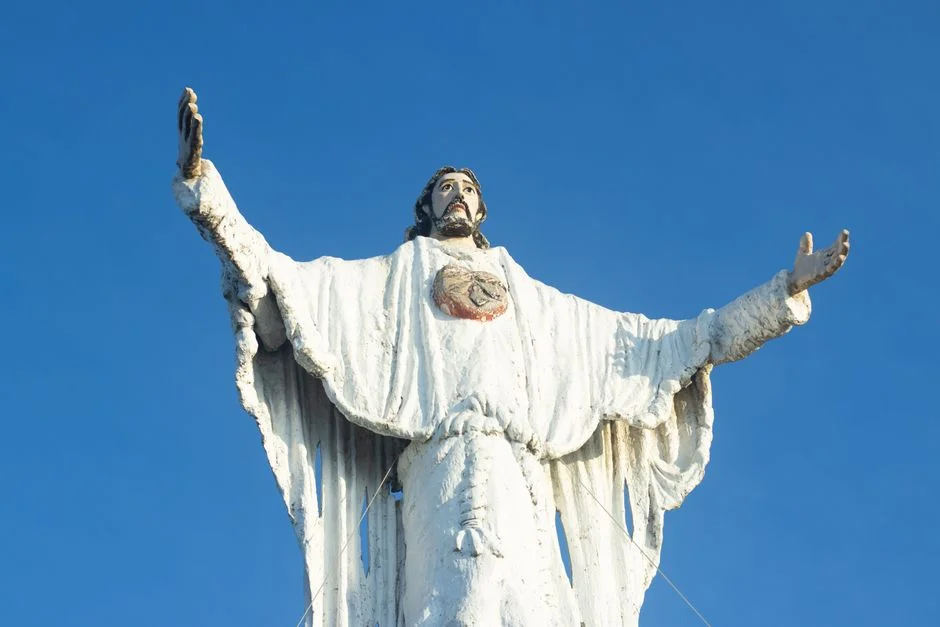
Residents also took to social media to voice their concerns and share memories associated with the statue. A petition has already been initiated, urging PWD officials to reconsider their decision and explore options for relocation rather than removal. The statue had become a popular spot for photos and gatherings, particularly during major football events.
The Backstory of Messi's Statue
The statue was inaugurated in 2017 to honour Messi's contributions to football. It was strategically placed at the Netaji Subhas Chandra Bose International Airport, welcoming arriving visitors with a nod to the global sport. Its towering presence became a symbol of the city's admiration for football and its stars.
Over the years, Kolkata has developed a unique relationship with football, often seen as a second religion among its citizens. The statue's significance extended beyond mere aesthetics; it represented the passion and unity that football brings to the community.
Local Economy and Tourism Impact
Removing such a high-profile statue may have broader implications for Kolkata's local economy, particularly in the tourism sector. Tourists often sought out the statue as part of their itinerary, contributing to nearby businesses. According to local business owners, the statue's presence helped increase foot traffic in the area.
A local cafe owner, Rajesh Das, noted, "We saw a spike in customers during matches, with many stopping by for a quick meal or drink after visiting the statue. Without it, we could see a decrease in visitors. This concerns us greatly." The potential loss of foot traffic could affect not just cafes, but also shops and street vendors who rely on the influx of tourists and locals alike.
Current Status of the Relocation Debate
Despite the community's outcry, the Kolkata PWD has not provided clear guidance on the future of the statue. Officials have stated they will review options for the statue but have not committed to any timeline or specific plans. This ambiguity leaves many residents frustrated.
In a recent statement, the PWD remarked, "We are assessing the situation and will consider community input. However, we cannot assure relocation at this time." This leaves the door open for further discussions, yet the lack of a concrete plan raises questions about the statue’s legacy.
The Broader Cultural Context
The dismantling of the statue comes amidst ongoing discussions about sports iconography and its place in modern cities. Critics of statues argue they often become focal points of controversy, while advocates see them as celebrating sporting excellence and local pride.
In Kolkata, where football is intertwined with cultural identity, Messi's statue represented more than just sport; it symbolised aspiration and community spirit. The debate reflects a larger conversation regarding how cities honour figures who shape their culture.
What Lies Ahead for Kolkata's Football Culture
As the discussions evolve, Kolkata's football culture remains robust. Local clubs continue to thrive, and fans are passionate as ever, rallying around their teams and heroes. The future of Messi's statue, however, remains uncertain, leaving a void in a city that cherishes its football legacy.
In the coming weeks, community leaders will hold meetings to further discuss the statue's fate and explore potential alternative sites for its relocation. Residents are encouraged to participate and voice their opinions as they seek to keep the spirit of Messi alive in the city that loves him.
See Also
- Adhikari Redefines Bengal Politics: Modi’s Welfare and Border Strategy Exposed
- Iranian General Threatens Attacks on Tankers in Strait of Hormuz: What It Means for India
This concerns us greatly." The potential loss of foot traffic could affect not just cafes, but also shops and street vendors who rely on the influx of tourists and locals alike.Current Status of the Relocation DebateDespite the community's outcry, the Kolkata PWD has not provided clear guidance on the future of the statue. Critics of statues argue they often become focal points of controversy, while advocates see them as celebrating sporting excellence and local pride.In Kolkata, where football is intertwined with cultural identity, Messi's statue represented more than just sport; it symbolised aspiration and community spirit.