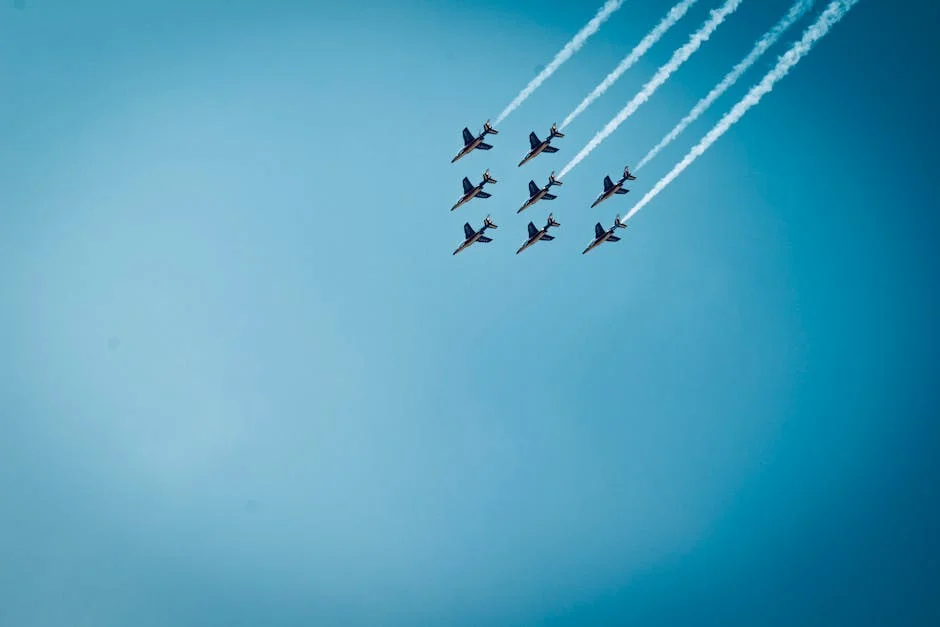
India's Ministry of Defence officially submitted a request to France for the acquisition of 114 Rafale fighter jets, with plans for approximately 90 aircraft to be manufactured in India. This significant defence deal, which follows India's strategic focus on self-reliance in military production, aims to enhance the country's air capabilities amid regional tensions.
Strategic Importance of the Rafale Deal
The Rafale jets, known for their versatility and advanced technology, are expected to bolster India's air defence in light of increasing security concerns along its borders. The deal, valued at around $18 billion, underscores India's commitment to modernising its military.
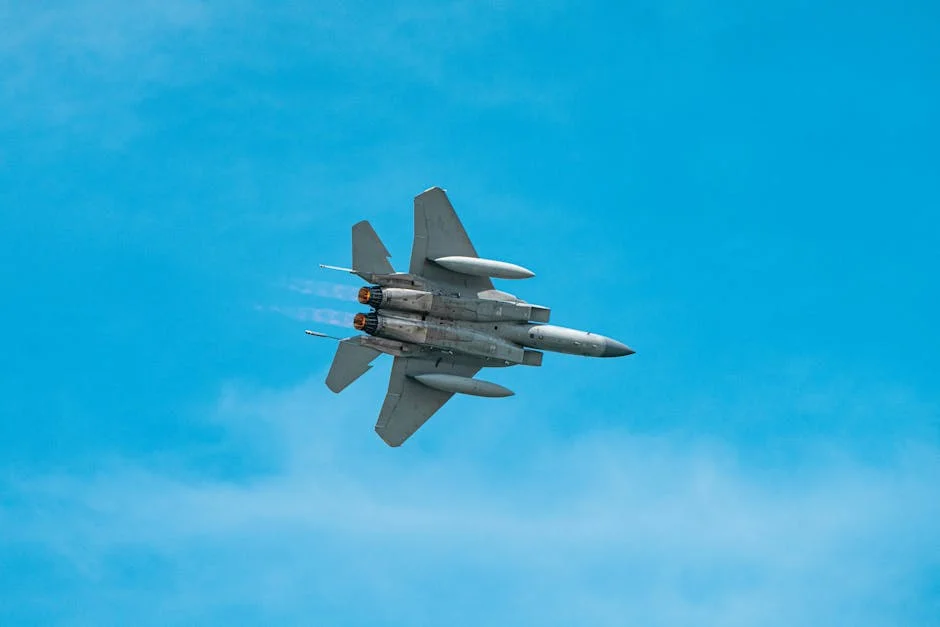
Making 90 of these jets locally will not only facilitate technology transfer from France but also stimulate India's aerospace industry. This initiative aligns with Prime Minister Narendra Modi's 'Make in India' campaign, aimed at fostering domestic manufacturing and reducing reliance on foreign defence imports.
Local Economic Impact
The production of Rafale jets in India is set to create thousands of jobs, boosting local economies in regions such as Maharashtra and Uttar Pradesh, where manufacturing plants could be established. Industry experts anticipate that this will generate not only direct employment but also a significant number of ancillary jobs in sectors like logistics, maintenance, and parts manufacturing.
Moreover, the deal may attract foreign investment into India’s defence sector, further solidifying the country's position as a key player in the global arms market. This development has the potential to enhance local businesses that can supply components and services for the assembly and maintenance of these aircraft.
Community Responses
Communities in Maharashtra and Uttar Pradesh, among the primary states targeted for the jet production, are expressing optimism about the potential advantages of this deal. Locals hope for increased job opportunities and economic stimulation in their regions. Residents are also keen to understand how these developments may lead to improved infrastructure and services.
Local leaders have begun discussions on how to integrate this influx of job opportunities into community development plans, ensuring that the benefits extend beyond mere employment to include education and training programs for the workforce.
Political Reactions and Future Implications
The response from political leaders has been generally positive, with various parties acknowledging the importance of the Rafale deal for national security. However, some opposition figures have raised concerns over the transparency of the bidding and procurement process.
India's Defence Minister, Rajnath Singh, stated that the deal is a step towards achieving operational independence and enhancing the nation's defence capabilities. The timeline for delivery and local production is still being finalised, with expectations of the first aircraft rolling out within the next five years.
What Comes Next?
As negotiations continue, stakeholders will be watching closely for any developments regarding the final terms of the contract and the establishment of manufacturing facilities. The Indian Air Force is preparing to integrate these advanced jets into its fleet, which could significantly alter the region's military balance.
In the coming months, further updates on local production timelines and community training initiatives are anticipated, marking a pivotal period for India's aerospace sector and defence strategy.
See Also
- RBI Faces Rate Decision as Middle East Oil Shock Tests Inflation Resolve
- India and US Launch Crucial Trade Talks — Tariffs and AI on the Agenda