Siddaramaiah, the Chief Minister of Karnataka, has publicly challenged the growing influence of Hindutva politics in the state, a movement that he claims is threatening the social fabric of local communities. During a rally in Bengaluru on Sunday, he stated that the rise of Hindutva has led to increased polarization among citizens, particularly affecting minority groups and altering the local economic landscape.
Hindutva's Rise and Its Local Impact
Hindutva, a nationalist ideology promoting Hindu supremacy, has made significant inroads into Karnataka, influencing various aspects of governance. Siddaramaiah highlighted the need to counteract these influences as they lead to divisive policies that harm social cohesion. According to a report by the Karnataka Social Welfare Department, there has been a 30% increase in communal tensions in the state since the rise of Hindutva in local governance.
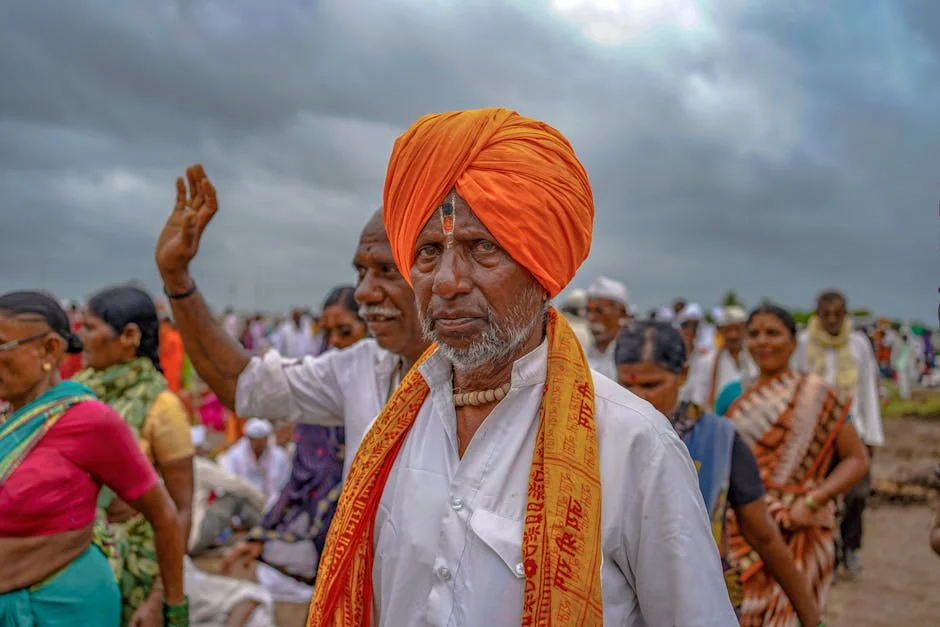
At the rally, Siddaramaiah urged citizens to unite against divisive politics, emphasising that Hindutva's influence is eroding the values of inclusivity and diversity that Karnataka has long stood for. He claimed, "We must protect our secular fabric and ensure that every community feels safe and valued in our state." The implications of such divisive tactics directly affect daily life, with fear and mistrust growing among communities.
The Economic Consequences of Divisive Policies
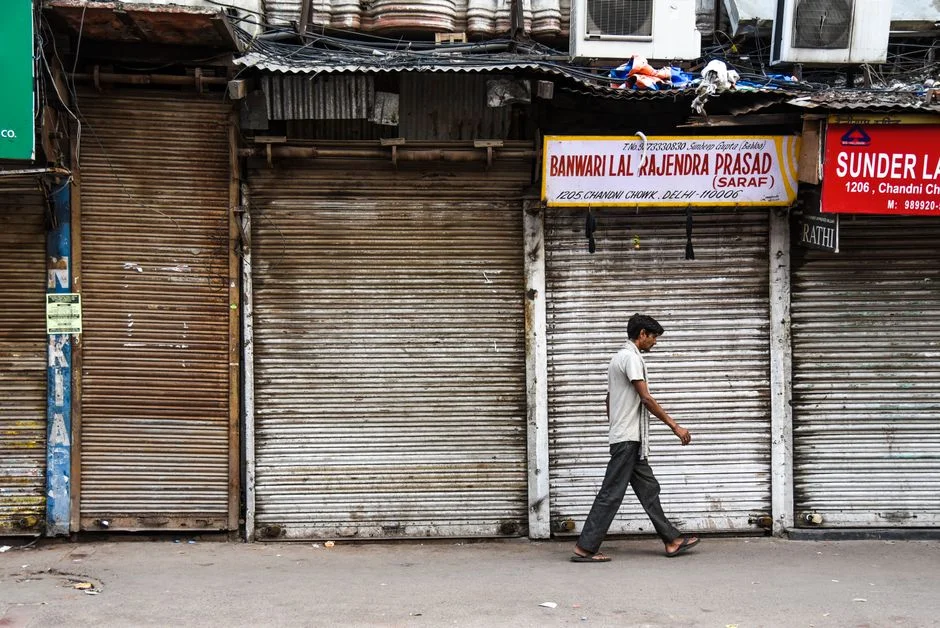
Economically, the rise of Hindutva politics is reshaping local industries and community businesses. Many small traders and entrepreneurs have reported a decline in sales due to growing apprehensions among minority shoppers. A recent survey indicated that approximately 25% of local businesses in Karnataka have experienced a downturn, attributing it directly to the negative sentiment inflamed by Hindutva politics.
Community Response and Resilience
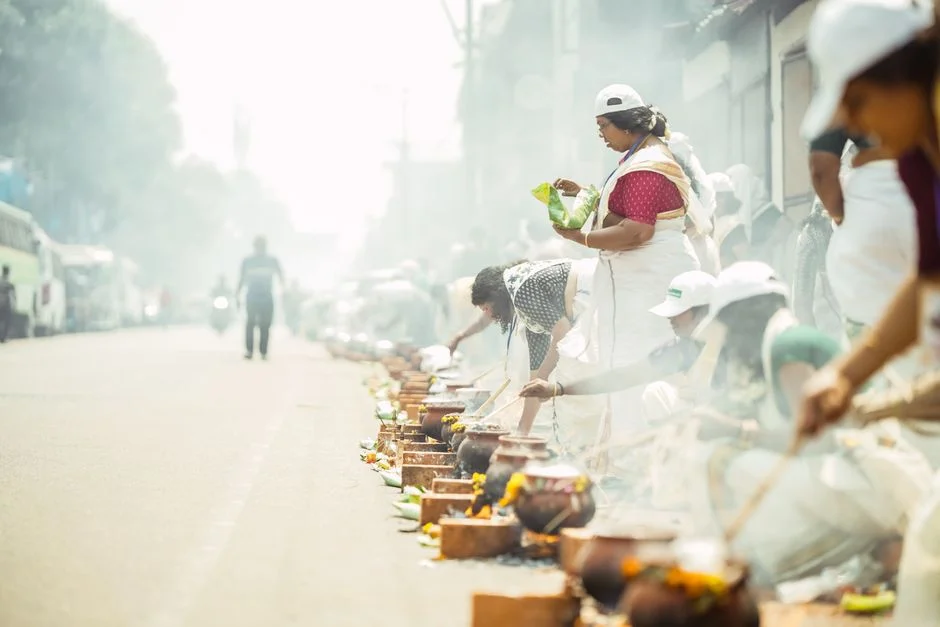
In response to these challenges, local communities are beginning to organise themselves more effectively. Activist groups have been formed to promote unity among diverse populations, fostering dialogue and collaboration. Siddaramaiah acknowledged these grassroots movements, stating, "Community resilience will be essential in combating the influence of divisive politics. We need to stand together, regardless of our backgrounds."
As Karnataka approaches the assembly elections next year, the political landscape will increasingly be defined by these issues. With Siddaramaiah's vocal opposition to Hindutva, it remains to be seen how this will influence voter sentiment and community engagement in the electoral process.
Upcoming Local Elections and Their Stakes
The Karnataka assembly elections scheduled for May 2024 will be a crucial moment for both Siddaramaiah and the future of Hindutva politics in the region. As party lines become more defined, the stakes have never been higher. Voters will have the opportunity to express their views on Hindutva and its impact on their daily lives.
The Chief Minister's recent statements and the organising efforts of local communities suggest a shifting tide. Many residents are now considering how these political influences affect their lives and livelihoods, and the upcoming elections will be a platform for these concerns.
A Call for Unity and Inclusivity
Siddaramaiah’s challenge to Hindutva is not just a political strategy; it reflects a broader appeal for unity in the face of divisive ideologies. His message urges citizens to reclaim their spaces both socially and economically from the grip of polarising politics.
The fight against Hindutva in Karnataka represents a struggle for the future identity of the state. As citizens prepare for the elections, their choices will significantly shape the path ahead, determining whether Karnataka returns to its inclusive roots or continues down a path of division.
Looking Ahead: What Citizens Should Watch
In the lead-up to the elections, citizens are encouraged to pay attention to campaign promises and how candidates address the issue of Hindutva. Public forums, debates, and local meetings will provide crucial insights into how political leaders plan to navigate these challenging dynamics.
As the political climate evolves, staying informed will be vital for community members. They must decide how to engage with these issues actively, ensuring their voices are heard and their concerns addressed in the political arena.
See Also
- CBI Arrests Motegaonkar as NEET-UG Leak Chaos Hits Maharashtra
- BJP Slams Kejriwal Over Aurangzeb Remark Amid Punjab ED Raids
Voters will have the opportunity to express their views on Hindutva and its impact on their daily lives.The Chief Minister's recent statements and the organising efforts of local communities suggest a shifting tide. Many residents are now considering how these political influences affect their lives and livelihoods, and the upcoming elections will be a platform for these concerns.A Call for Unity and InclusivitySiddaramaiah’s challenge to Hindutva is not just a political strategy; it reflects a broader appeal for unity in the face of divisive ideologies.