Apple is embroiled in a legal dispute following a bias lawsuit filed by Indian engineer Anita Nariani Schulze in California. The lawsuit, which was registered on Monday, highlights allegations of discrimination and wrongful termination based on her Sindhi heritage. Schulze, who worked with Apple for over a decade, claims her contributions were undervalued, which raises significant questions about workplace diversity within the technology giant.
Details of the Lawsuit
In the lawsuit, Schulze alleges that she faced systemic bias that culminated in her dismissal. She asserts that her managers consistently overlooked her input and failed to promote her despite her qualifications and experience. The case has ignited discussions about the experiences of minority groups within major corporations, particularly in regions with diverse hiring pools like India.

The complaint filed in California's Superior Court also seeks unspecified damages, which Schulze argues reflect the emotional distress caused by her treatment at Apple. The tech industry, known for its high-powered work environments, is now faced with scrutiny over its inclusivity policies.
The Impact on Employees in India
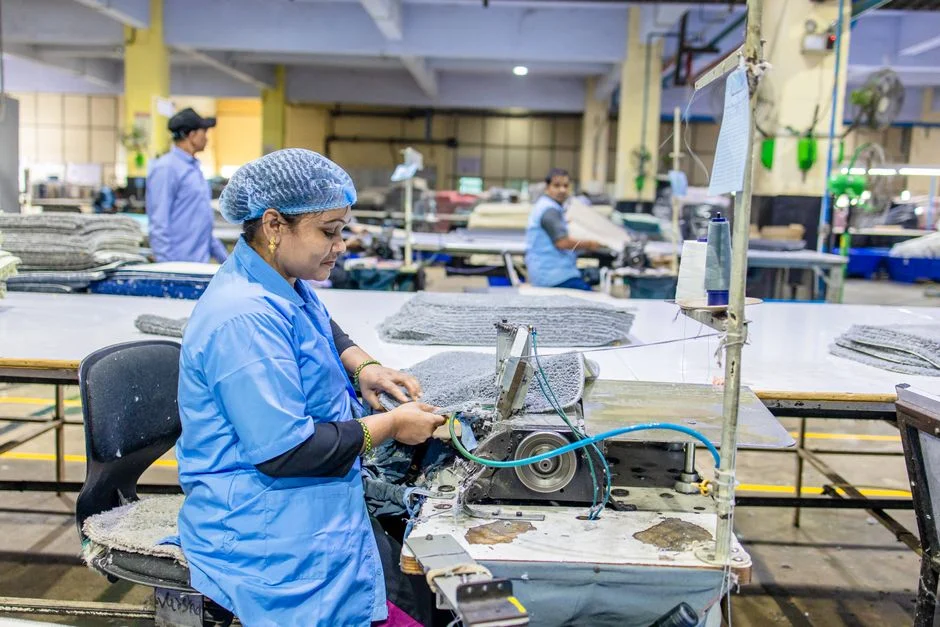
Apple's operations in India have expanded significantly, with the company recently increasing its workforce in the country. Approximately 20,000 employees work for Apple in India, spread across various departments, from design to tech support. The outcomes of Schulze's lawsuit could influence policies and practices not only within Apple but across the industry.
If the court sided with Schulze, it could pave the way for more employees to come forward with similar claims. This potential ripple effect may lead companies to adopt stricter anti-bias measures and foster a more inclusive work environment, which could greatly affect Indian employees and their job security.
Broader Implications for the Tech Industry
Schulze's case also raises broader questions about how multinational companies operate in diverse markets. Apple has previously faced allegations regarding its treatment of foreign employees, and this lawsuit may shine a light on a larger issue of cultural insensitivity within the company. A survey conducted in 2022 found that 50% of tech employees in India felt underrepresented in their workplaces, emphasising the broader consequences of this lawsuit.
Should Apple address these allegations proactively, it has the potential to improve its corporate image and employee morale. A commitment to diversity could not only enhance employee retention rates but also attract talent from various backgrounds, crucial in a competitive market.
Community Reactions and Responses
The Indian tech community has rallied around Schulze, expressing support through social media and public forums. Many individuals have shared their own experiences, highlighting instances of bias and calling for systemic change within the industry. This grassroots movement may further press companies like Apple to implement immediate policy reforms.
Social media platforms have become a channel for sharing stories of discrimination, prompting discussions that extend beyond Apple. This case could potentially act as a catalyst for a larger movement advocating for employee rights and equality across all sectors in India.
What’s Next for Apple and Schulze?
The next steps in this legal battle will unfold over the coming months, with Apple likely preparing to contest the claims vigorously. Legal experts suggest that a settlement could be a possible avenue if both parties aim to avoid a lengthy court process. Meanwhile, Schulze's case could inspire others to voice similar concerns, potentially leading to a wave of lawsuits against large corporations.
The legal outcome of this case is expected to set a precedent not only for Apple but also for other firms navigating similar challenges. As discussions continue, workers and advocates are urged to watch the developments closely, as they may significantly influence workplace dynamics in the tech sector and beyond.
See Also
- NIMCET 2026 Registration Opens: What It Means for MCA Applicants in India
- Khosla and Desai Join Musk and Altman: What It Means for Silicon Valley's Future
Legal experts suggest that a settlement could be a possible avenue if both parties aim to avoid a lengthy court process. Many individuals have shared their own experiences, highlighting instances of bias and calling for systemic change within the industry.