Piyush Goyal, India's Minister of Commerce and Industry, stated this week that negotiations for a Free Trade Agreement (FTA) with Canada could be concluded by the end of 2023. This announcement follows several rounds of discussions aimed at enhancing bilateral trade, currently valued at approximately $8 billion.
Potential Economic Boost for Communities
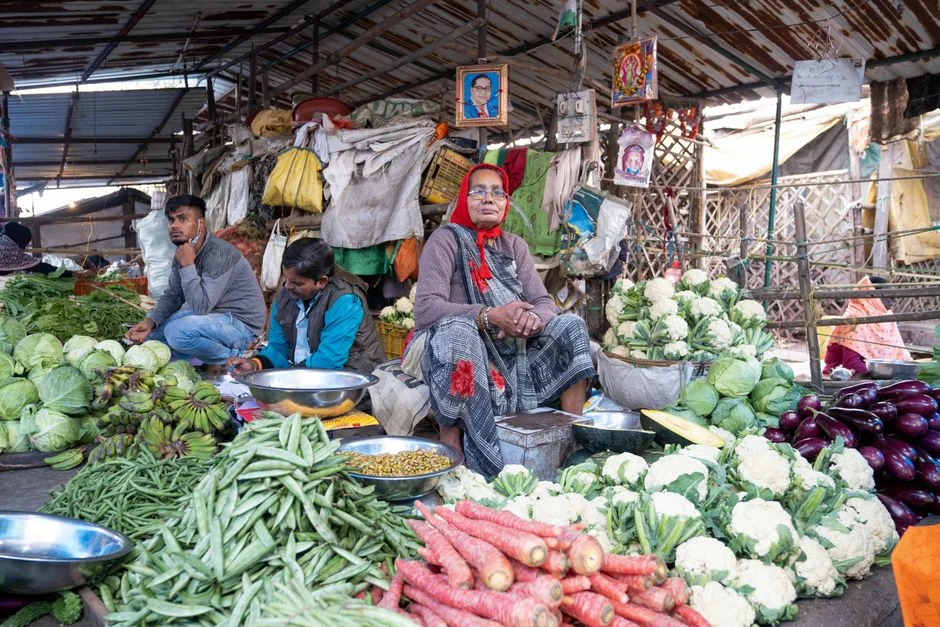
The agreement is expected to significantly impact daily life and the local economy in both countries. If finalised, the FTA would reduce tariffs on goods and services, promoting increased trade flows. This could mean lower prices for consumers in India and access to Canadian products that were previously too costly due to high import duties.

Furthermore, the FTA aims to create more job opportunities in both nations. India could see a surge in employment in manufacturing and services, as Canadian companies often look to expand their operations into emerging markets. This could directly benefit communities across Indian states such as Maharashtra and Gujarat, known for their industrial sectors.
Trade Relations: Historical Context
The relationship between India and Canada has been evolving since the establishment of diplomatic ties in 1947. However, significant trade discussions began to gain momentum after Prime Minister Narendra Modi's visit to Canada in 2015. Since then, both nations have recognised the mutual benefits of a strong trading partnership.
This latest push for an FTA comes amidst efforts to diversify trade channels, especially in light of global supply chain disruptions. By negotiating this agreement, India and Canada aim to increase their resilience against market fluctuations.
Key Stakeholders and Their Interests
Piyush Goyal's announcement also highlighted the role of various stakeholders, including industry leaders from both nations. The Canadian government, alongside Indian businesses, has shown strong backing for the FTA, believing it could unlock potential valued at over $15 billion in trade benefits.
Moreover, community organisations are actively engaged in promoting the advantages of the FTA. They argue that it would not only boost economic prospects but also enhance cultural exchanges between the two countries, fostering goodwill and cooperation.
Concerns and Challenges Ahead
Despite the optimism surrounding the FTA talks, there are challenges to consider. Several local industries in India, particularly agriculture, express concerns over potential impacts from increased competition with Canadian imports. Farmers and small manufacturers worry that the influx of cheaper goods could undermine their livelihoods.
In light of these concerns, Goyal has assured that the government's approach will consider the interests of all stakeholders, aiming to create a balanced agreement that supports growth while protecting local industries.
Looking Ahead: Key Dates and Next Steps
The focus now shifts to the upcoming negotiations scheduled for November, where both countries aim to resolve outstanding issues. The deadline for concluding talks remains set for December 2023, with the hope of unveiling the agreement soon after.
Officials and business leaders are closely monitoring these developments, as the outcome could shape trade dynamics significantly. Citizens should prepare for potential changes in market conditions as discussions progress, influencing everything from prices at local markets to job availability in key sectors.
See Also
- Nora En Pure Lights Up Joburg at Catch a Fire Reggae Festival
- Virat Kohli Powers RCB to 161 Runs in Thrilling IPL 2026 Final Match