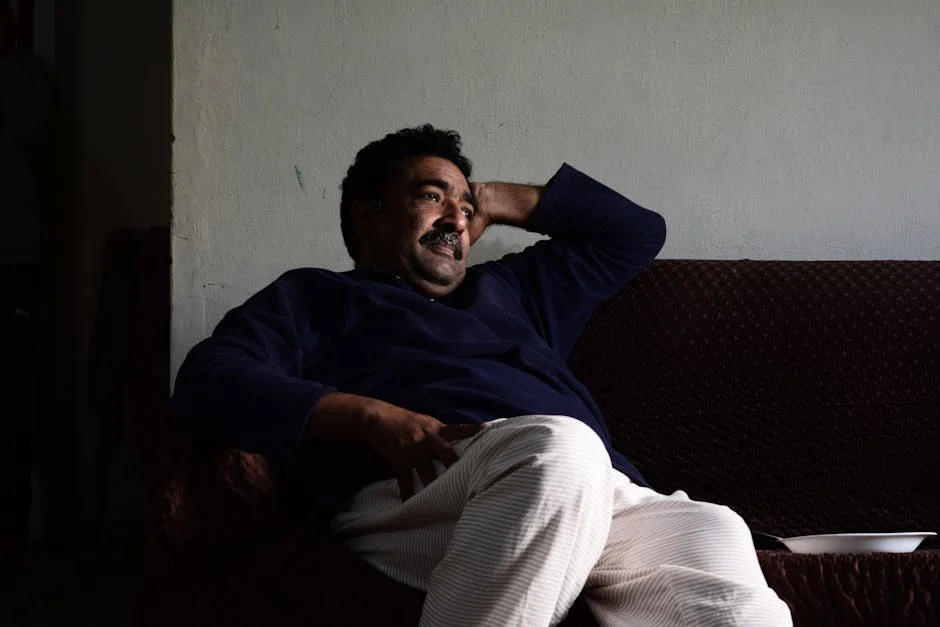
Abhijeet Dipke has formally launched the Cockroach Janta Party, a political movement that has rapidly captured the imagination of voters across Delhi and Northern India. This unconventional entry into the political arena challenges the traditional dominance of established parties by leveraging social media virality and grassroots dissatisfaction. The movement promises to reshape local civic engagement by focusing on hyper-local issues that larger parties often overlook. Citizens in the National Capital Region are already mobilizing, viewing the party as a potential disruptor in the upcoming municipal and state elections.
The Rise of the Cockroach Janta Party
Abhijeet Dipke emerged from the political obscurity to become a household name through a combination of charismatic leadership and strategic branding. The name "Cockroach Janta Party" was chosen deliberately to symbolize resilience and the ability to survive in the toughest environments. This metaphor resonates deeply with the working-class citizens of Delhi who feel that their political representatives are often as enduring as the pests they complain about. The party’s logo, featuring a stylized cockroach wearing a party cap, has become a ubiquitous sight on social media platforms.

The movement gained significant traction within weeks of its official announcement in New Delhi. Dipke utilized a multi-pronged strategy that included town hall meetings, digital campaigns, and direct engagement with local ward committees. This approach allowed the party to build a solid base of support before the traditional political machines could fully react. The speed at which the party organized its first 5,000 volunteers demonstrates a high level of organizational efficiency and public enthusiasm.
Critics initially dismissed the movement as a gimmick designed to capture headlines rather than win seats. However, the depth of engagement in areas like North Delhi and East Delhi suggests that the party has tapped into a genuine vein of voter frustration. The focus on practical, everyday problems rather than grand ideological statements has helped the party connect with first-time voters and the youth demographic. This shift in political communication style marks a departure from the traditional oratory that has defined Indian politics for decades.
Impact on Local Communities in Delhi
The direct impact of the Cockroach Janta Party is most visible in the daily lives of residents in Delhi’s densely populated neighborhoods. Citizens report a renewed sense of agency as local leaders listen to complaints about waste management, water supply, and traffic congestion. The party has established "Cockroach Corners" in key localities, serving as physical hubs where residents can voice their grievances directly to party representatives. These hubs have become centers of community dialogue, fostering a more participatory form of local governance.
Economic implications are also emerging as small businesses in Delhi begin to align themselves with the movement. Shopkeepers and market traders see the party’s focus on reducing local taxes and simplifying municipal permissions as a direct benefit to their livelihoods. This economic angle has helped the party secure endorsements from influential local business associations. The promise of streamlined bureaucratic processes appeals to entrepreneurs who have long struggled with the complexities of Delhi’s municipal administration.
Community Response and Social Cohesion
Socially, the movement has sparked conversations about representation and inclusivity in Indian democracy. The party’s emphasis on the "common man" has bridged some of the traditional divides along caste and class lines in certain wards. Residents from diverse backgrounds are coming together under the shared goal of improving local infrastructure and public services. This social cohesion is a significant development in a city often characterized by fragmented community interests.
However, the movement has also faced skepticism from traditional political elites who view the rapid rise of the Cockroach Janta Party as a threat to the status quo. Established parties have begun to adjust their campaign strategies to address the specific issues highlighted by Dipke’s movement. This reactive shift indicates that the Cockroach Janta Party has successfully forced the political agenda to focus on more granular, local concerns. The pressure on incumbents to deliver tangible results has increased significantly in the last few months.
Political Strategy and Electoral Prospects
Abhijeet Dipke’s political strategy relies heavily on data-driven campaigning and targeted outreach. The party has invested in digital analytics to identify key voter demographics and tailor their messaging accordingly. This modern approach contrasts sharply with the traditional door-to-door campaigning that dominates Indian elections. The use of data allows the party to allocate resources more efficiently and maximize their impact in swing wards. This strategic advantage could prove decisive in the upcoming local elections.
The electoral prospects of the Cockroach Janta Party remain uncertain but promising. Political analysts note that the party has a strong chance of winning several key seats in the Delhi Municipal Corporation elections. The party’s focus on specific, winnable constituencies rather than a blanket national campaign suggests a pragmatic approach to power. Winning a critical mass of local seats would provide the party with the leverage needed to influence broader state-level policies. This step-by-step approach minimizes risk and builds a sustainable foundation for future growth.
Competition from established parties is intensifying as they recognize the threat posed by the new entrant. The Aam Aadmi Party and the Bharatiya Janata Party have both adjusted their manifestos to include more local issues. This competitive response validates the relevance of the Cockroach Janta Party’s core message. Voters now have a clearer choice between traditional options and a new, agile contender that promises fresh perspectives on old problems. The political landscape in Delhi is becoming increasingly dynamic and unpredictable.
Challenges and Obstacles Ahead
Despite its rapid rise, the Cockroach Janta Party faces several significant challenges. The most immediate obstacle is the need to translate social media popularity into concrete votes at the polling booth. While online engagement is high, converting digital likes into electoral mandates requires robust ground-level organization. The party must ensure that its volunteer network is diverse and representative of the broader electorate. Failure to do so could lead to a surge in initial enthusiasm that fades during the actual voting process.
Financial resources also pose a challenge for the relatively new party. Established political parties in India have deep pockets and long-standing donor networks. The Cockroach Janta Party must secure sustainable funding to sustain its campaign momentum and manage its administrative costs. Transparency in funding will be crucial to maintaining public trust and distinguishing itself from the perceived corruption of traditional parties. Donors and supporters are watching closely to see how the party manages its financial growth.
Internal cohesion is another potential vulnerability. Rapid expansion can lead to friction among party members who may have different visions for the party’s future direction. Dipke must balance the need for centralized decision-making with the desire for grassroots input. Maintaining a unified message while accommodating diverse local interests will test the party’s organizational skills. Strong leadership and clear communication will be essential to navigating these internal dynamics successfully.
Broader Implications for Indian Democracy
The emergence of the Cockroach Janta Party reflects a broader trend of dissatisfaction with traditional political structures in India. Voters are increasingly looking for alternatives that offer transparency, efficiency, and direct accountability. This movement signals a potential shift towards more localized and issue-based politics rather than personality-driven campaigns. The success of Dipke’s party could inspire similar movements in other Indian states, leading to a more fragmented and dynamic political landscape.
This development also highlights the growing influence of social media in shaping political narratives. The ability to bypass traditional media gatekeepers and speak directly to voters has empowered new political actors. The Cockroach Janta Party’s viral success demonstrates the power of digital storytelling in modern politics. Other parties are likely to emulate this strategy, leading to a more media-savvy and responsive political class. The role of technology in Indian democracy is becoming increasingly central and influential.
The potential for the Cockroach Janta Party to influence national politics remains to be seen. If the party performs well in Delhi, it could attract attention from national leaders and parties. This could lead to alliances or mergers that further reshape the political map. The movement serves as a testing ground for new political ideas and strategies that could have wider applicability. Observers will watch closely to see if the Delhi model can be replicated in other regions.
What to Watch Next
The next critical milestone for the Cockroach Janta Party is the announcement of its final list of candidates for the upcoming Delhi Municipal Corporation elections. This decision will reveal the party’s strategic priorities and its confidence in key constituencies. Voters and analysts will scrutinize the candidate list to assess the party’s depth of talent and geographic reach. The timing of the candidate announcement will also indicate the party’s readiness to face the traditional political machines.
Public opinion polls conducted in the coming weeks will provide valuable insights into the party’s standing among voters. These polls will track changes in voter sentiment and identify any shifts in support for established parties. The data will help the party adjust its campaign messaging and resource allocation. Monitoring these polls will be essential for understanding the trajectory of the movement as the election date approaches. The political dynamics in Delhi are set to evolve rapidly in the near future.
See Also
- India Gains Access to Anthropic's Mythos AI — Global Tech Race Just Intensified
- New Zealand Wins Toss and Inserts Proteas in T20 World Cup Semi-Final: What It Means for Fans