Russian Foreign Minister Sergey Lavrov delivered a stark warning to a journalist during a press briefing in New Delhi, stating that critics of Moscow’s policies might soon face direct consequences. The remark, described as “they will take out the gun,” has sparked immediate discussion about the shifting dynamics of diplomatic engagement between India and Russia. This incident occurs at a critical juncture for bilateral ties, as both nations navigate complex geopolitical alignments.
The comment was made during a routine media interaction, yet its intensity suggests a deeper frustration with how Western and regional media portray Russia’s strategic decisions. For citizens in New Delhi and across India, this moment highlights the human element behind high-stakes diplomacy. It raises questions about how political rhetoric translates into everyday realities for businesses, travelers, and communities engaged with Russia.
Diplomatic Friction in the Capital
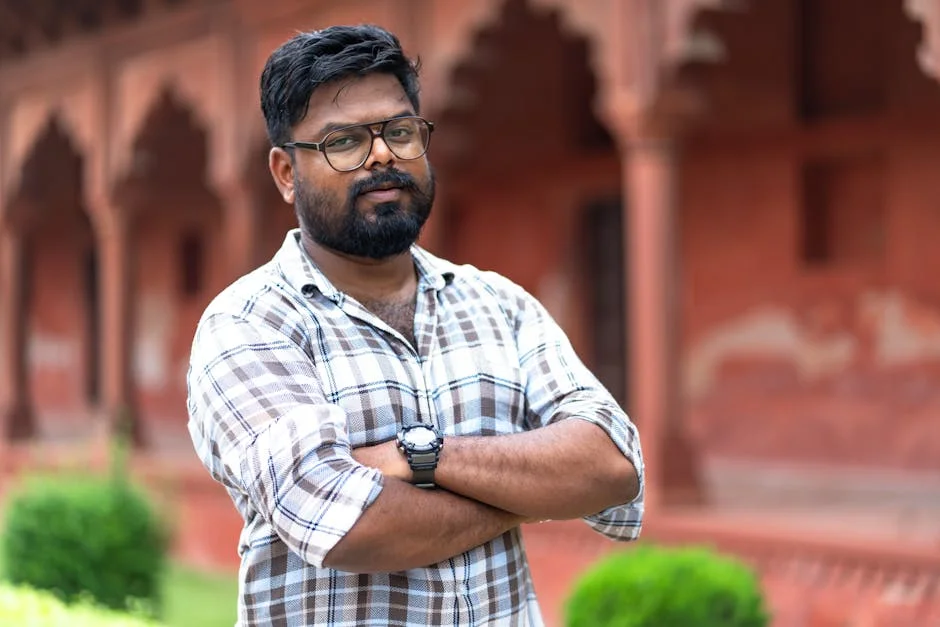
The exchange took place in the heart of New Delhi, where Lavrov was addressing reporters following a series of high-level meetings. The specific wording used by the Russian minister was uncharacteristically blunt for a formal diplomatic setting. Journalists present noted the shift in tone, which moved from policy details to a personal challenge regarding the cost of criticism.
This moment of tension is not isolated. It reflects a broader pattern of assertive communication from Moscow as it seeks to consolidate its global influence. India, traditionally a master of non-alignment, finds itself balancing its historic partnership with Russia against growing economic and strategic ties with the West. The capital city serves as the primary stage for these delicate negotiations.
Local observers in New Delhi are watching closely to see if this verbal sparring affects ongoing trade agreements. The Indian Foreign Ministry has yet to issue a formal statement, suggesting a preference for quiet diplomacy over public rebuttal. However, the media coverage in Indian outlets indicates that the public is increasingly aware of the nuances in these international relationships.
Impact on Local Business Communities
The ripple effects of such diplomatic statements are felt most acutely by businesses operating in the Indo-Russian corridor. Companies involved in energy, defense, and technology sectors rely on stable political relations to forecast market conditions. A sudden shift in tone from a key figure like Lavrov can introduce uncertainty into long-term contracts and investment plans.
Small and medium enterprises in cities like Mumbai and Bangalore, which supply components to Russian firms, are particularly sensitive to these signals. They may face delayed payments or renegotiated terms if political friction leads to bureaucratic slowdowns. The cost of doing business can rise quickly when diplomatic channels become less predictable.
Energy Sector Vulnerabilities
The energy sector is perhaps the most exposed to these diplomatic shifts. India imports a significant portion of its crude oil from Russia, taking advantage of discounted prices following the Ukraine conflict. Any hint of strained relations could influence pricing strategies or shipping logistics. Local refineries in Gujarat and Maharashtra depend on a steady flow of Russian crude to maintain production levels.
Fluctuations in diplomatic warmth can also affect currency exchange rates between the Rupee and the Ruble. Traders in financial hubs like Mumbai monitor these political cues to adjust their hedging strategies. A negative comment from a top official can trigger minor market jitters, affecting the bottom line for exporters and importers alike.
Social and Community Reactions
Beyond the boardroom, the social fabric of communities with strong Russian ties is also observing the developments. Indian students studying in Moscow, professionals working in Russian multinational corporations, and families with dual heritage are paying close attention. Their daily lives are intertwined with the political health of the bilateral relationship.
In cities like Delhi and Kolkata, where Russian cultural centers and schools are prominent, there is a sense of cautious optimism. However, the recent comment has introduced a note of anxiety. Parents of students in Russia wonder if visa processing will become more stringent. Professionals fear that work permits might be scrutinized more heavily if political winds change.
Community leaders in these areas are holding informal discussions to gauge the potential impact. They are reaching out to consular officials for clarity on any procedural changes. This grassroots level of engagement underscores how high-level diplomacy directly touches the lives of ordinary citizens. The human cost of political friction is often measured in delayed visas and uncertain job prospects.
Media Landscape and Public Perception
The Indian media landscape is diverse, with a mix of state-run and private outlets covering the event. The reaction to Lavrov’s comment has been varied, with some outlets focusing on the bluntness of the remark and others analyzing the strategic implications. This diversity of opinion reflects the complex nature of Indian public opinion regarding foreign policy.
Social media platforms have become a key arena for debate. Citizens are sharing articles, analyzing quotes, and forming their own opinions on the state of Indo-Russian relations. The viral nature of the “gun” comment has ensured that the issue remains in the public eye for days. This digital engagement helps shape the broader narrative around the bilateral relationship.
Journalists in New Delhi are now more vigilant in their questioning, aware that their words can carry weight in Moscow. This heightened awareness may lead to more nuanced reporting in the future. It also places a greater burden on editors to fact-check and contextualize statements from foreign dignitaries. The role of the press as a bridge between nations is being tested.
Historical Context of Indo-Russian Ties
To understand the weight of this comment, one must look at the historical depth of Indo-Russian relations. For decades, the two nations have shared a “special and privileged” partnership, rooted in Cold War alliances and sustained by mutual economic interests. This history provides a buffer against temporary diplomatic friction. However, it also raises the stakes when tensions do arise.
India has traditionally valued its relationship with Russia for its defense hardware and energy supplies. The recent surge in oil imports has further cemented this economic interdependence. Lavrov’s comment must be viewed against this backdrop of deep integration. It is not merely a personal remark but a signal of Moscow’s desire to be taken seriously in its strategic calculations.
Historically, India has managed to balance its relationships with multiple powers through pragmatic diplomacy. The challenge now is to maintain this balance while addressing the more assertive posture of Russia. The ability of Indian diplomats to navigate this new dynamic will be crucial for sustaining the long-term benefits of the partnership.
Future Implications for Regional Stability
The incident in New Delhi has broader implications for regional stability in Asia. As Russia seeks to deepen its ties with India, it is also engaging with other Asian powers like China and Iran. The tone set by Lavrov may influence how other regional actors perceive Russia’s reliability as a partner. This has direct consequences for trade routes and security alliances in the region.
For India, maintaining a steady course is essential to its own strategic autonomy. Any overreaction to the comment could be seen as a loss of composure. Conversely, complete silence might be interpreted as acquiescence. The Indian government is likely weighing these options carefully to ensure that the bilateral relationship continues to yield tangible benefits for its citizens.
Looking ahead, the focus will be on concrete actions rather than words. Upcoming trade delegations and joint military exercises will serve as the real test of the relationship’s resilience. Citizens and businesses will be watching these developments to gauge the true state of Indo-Russian ties. The coming months will reveal whether this moment of tension was a blip or a turning point.
See Also
- CBI Books Delhi Night Shelter Agency Over Ghost Workers
- India Pushes 25% Ethanol Blend — Fuel Prices Could Shift
What is the latest news about lavrov slams delhi journalist with sharp warning?
Why does this matter for local-news?
What are the key facts about lavrov slams delhi journalist with sharp warning?