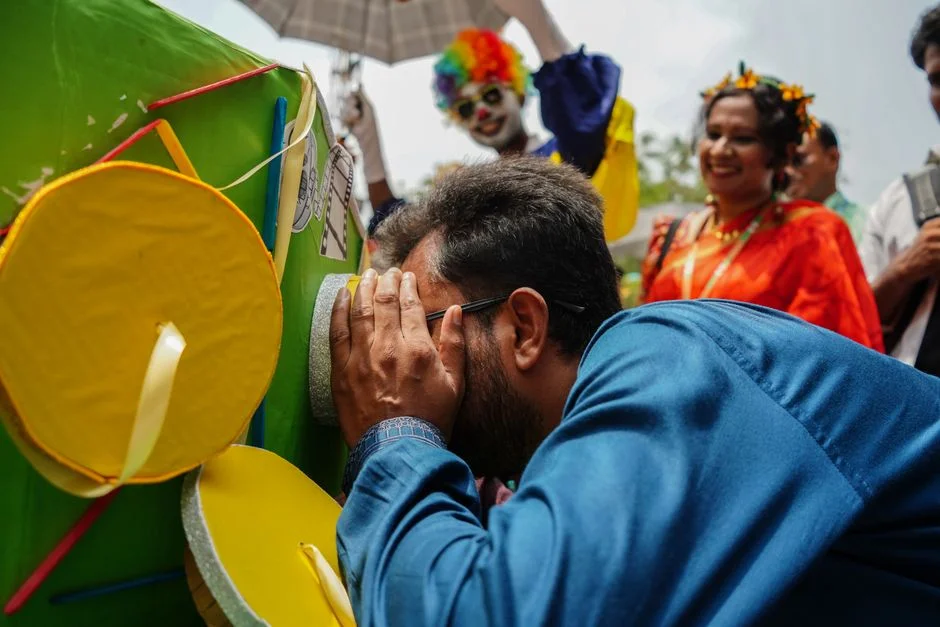
BJP activists marched to Chief Minister Omar Abdullah’s residence in Srinagar on Tuesday, demanding an immediate ban on liquor sales across Jammu and Kashmir. The demonstration highlights the growing political pressure on the ruling National Conference to address long-standing social grievances. Police deployed significant forces to manage the crowds and prevent any escalation into the Lal Chowk area.
Political Pressure Intensifies in the Valley
The Bharatiya Janata Party (BJP) has identified the liquor ban as a critical issue to win over voters in the union territory. Activists argue that the consumption of alcohol has reached epidemic proportions, affecting the social fabric of the region. They believe that a decisive move on this issue could shift the political balance in the upcoming legislative assembly elections.
Omar Abdullah’s government faces a delicate balancing act. On one hand, the liquor industry contributes significantly to the state’s exchequer through excise duties. On the other hand, public sentiment increasingly favors stricter controls on alcohol sales. The BJP’s aggressive campaigning aims to capitalize on this sentiment and portray the National Conference as being out of touch with the people’s aspirations.
Impact on Daily Life in Srinagar
For residents of Srinagar, the debate over liquor goes beyond politics and touches upon daily life. Many families cite increased domestic violence and rising healthcare costs as direct consequences of widespread alcohol consumption. The activists’ march to the chief minister’s house serves as a visible reminder of these personal struggles.
Local businesses, particularly hotels and pubs in the summer capital, are watching the situation closely. A ban would have immediate financial implications for these establishments. Owners are concerned about potential job losses and reduced revenue during the peak tourist season. The uncertainty creates a tense atmosphere in the commercial districts of the city.
Community Reactions and Social Concerns
Community leaders in various neighborhoods have expressed mixed feelings about the proposed ban. Some religious groups strongly support the measure, viewing it as a step towards moral revival. Others worry about the potential for black markets and increased corruption if the ban is not enforced effectively. This division reflects the complex social dynamics of the region.
The police have been instructed to maintain order while allowing the activists to exercise their right to protest. However, the proximity of the demonstration to the chief minister’s residence has raised security concerns. Authorities are monitoring the situation to ensure that the protest remains peaceful and does not disrupt the daily commute of residents.
Economic Implications of a Potential Ban
The liquor industry is a major contributor to the union territory’s revenue. A complete ban would result in a significant shortfall in the state’s budget. The government would need to find alternative sources of income to compensate for the lost excise duties. This economic reality complicates the political appeal of the ban.
Small vendors and distributors are particularly vulnerable to the economic shock. Many of them operate on thin margins and rely on steady sales to make ends meet. A sudden ban could push many of these small businesses to the brink of bankruptcy. The social impact on these workers and their families is a crucial factor in the debate.
Historical Context of Liquor Politics in J&K
The issue of liquor in Jammu and Kashmir has a long and complex history. Previous governments have attempted to introduce bans or stricter regulations with varying degrees of success. The BJP, in particular, has made the liquor ban a cornerstone of its political platform in the region. This consistency suggests that the issue is a strategic priority for the party.
Past attempts to ban liquor have often faced resistance from both the business community and the general public. Some residents appreciate the availability of liquor for social and business gatherings. Others, especially in more conservative areas, view it as a necessary evil. This historical context helps explain the current political dynamics.
Police Response and Security Measures
The Srinagar police have taken proactive steps to ensure that the protest does not turn into a full-blown street battle. They have set up barricades and deployed additional personnel in key areas. The goal is to keep the protest contained and to prevent any spill-over into the main commercial hubs of the city.
Security agencies are also keeping a close eye on potential counter-protests. The liquor industry has its own supporters who may take to the streets to voice their opinions. The police are prepared to handle both sides of the demonstration to maintain law and order. This delicate management is crucial for the stability of the region.
What to Watch Next in the Liquor Debate
The coming weeks will be critical in determining the fate of the liquor ban proposal. The BJP is likely to intensify its campaigning and organize more rallies to keep the issue in the spotlight. The National Conference government will need to respond with a clear and coherent strategy to address the growing public demand.
Residents should watch for any official statements from the chief minister’s office or the union territory’s finance department. These statements will provide clues about the government’s stance and potential policy changes. The outcome of this political battle will have lasting effects on the social and economic landscape of Jammu and Kashmir.
See Also
- Citizens Financial Group Expands Hyderabad Hub
- Gujarat Titans Surge Ahead as Sudharsan and Gill Open Innings
The social impact on these workers and their families is a crucial factor in the debate. This consistency suggests that the issue is a strategic priority for the party.