The United States has announced the end of special protection for Somali migrants, a move that comes as multiple lawsuits challenge the decision. This change affects over 100,000 Somali individuals currently residing in the United States under Temporary Protected Status (TPS).
Somali Community Faces Uncertainty
The end of TPS for Somalis means that these individuals will need to find alternative pathways to remain legally in the United States, such as obtaining permanent residency or citizenship. Many Somalis have built lives and started families in the U.S., making this decision particularly impactful.
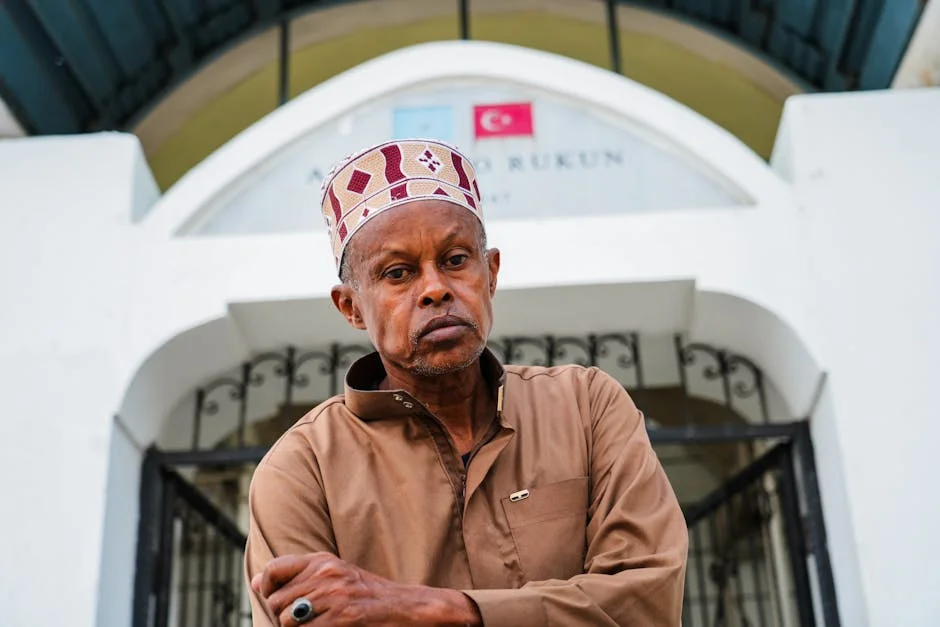
In Minnesota, home to one of the largest Somali populations in the country, community leaders expressed concern about the potential disruption to local families and businesses. “This decision could mean that our children might not be able to stay in the same schools they’ve grown up in,” said Mohamed Ali, a community leader from Minneapolis.
Lawsuits Challenge the Decision
A number of legal challenges have been filed against the decision to end TPS for Somalia. Advocates argue that the conditions in Somalia do not justify the termination of the status, pointing out that many areas of the country are still affected by conflict and instability.
The lawsuit, filed by the National Immigration Law Center, argues that the decision-making process did not meet the legal standards required for ending TPS. If successful, these legal actions could reverse the decision and allow Somalis to retain their protected status.
Impact on Daily Life and Economy
The end of TPS for Somalis could have significant effects on the daily lives of those affected and on the local economies where they reside. In states like Minnesota, California, and Ohio, where large Somali communities are established, there may be increased stress on families as they navigate the transition to new legal statuses.
Economically, many Somalis work in essential sectors such as healthcare, construction, and transportation. Their departure or inability to work due to legal status changes could create gaps in these industries, potentially affecting service provision and economic stability in their communities.
Community Response and Support
The Somali community in the United States has shown strong solidarity in the face of this challenge. Community organisations have provided support through legal aid, informational sessions, and advocacy efforts. Non-profit groups and local government officials have also stepped up to assist in navigating the complexities of immigration law.
In addition to legal battles, there are ongoing efforts to raise awareness and garner public support for keeping TPS for Somalia. These efforts include rallies, petitions, and media campaigns highlighting the contributions of Somali residents to their communities.
Looking Ahead
The future for Somali migrants in the United States remains uncertain until the legal challenges are resolved. Advocates continue to push for a favourable outcome, while individuals affected by the decision prepare for potential changes to their legal status and daily lives.
As the situation unfolds, the resilience and community spirit of Somali Americans will likely play a crucial role in shaping their path forward in the United States.