Prime Minister Narendra Modi presented a handcrafted replica of an ice axe to Icelandic Prime Minister Bjarni Benediktsson during a recent diplomatic exchange. This symbolic gesture marks a strategic pivot in India’s foreign policy toward the Arctic region and its surrounding nations. The gift is not merely a token of friendship but a calculated move to deepen economic and geopolitical ties with a nation that serves as a gateway to the North. For Indian citizens, this shift promises new opportunities in trade, energy security, and even tourism, though the immediate impacts are still unfolding.
A Symbolic Bridge Across Hemispheres
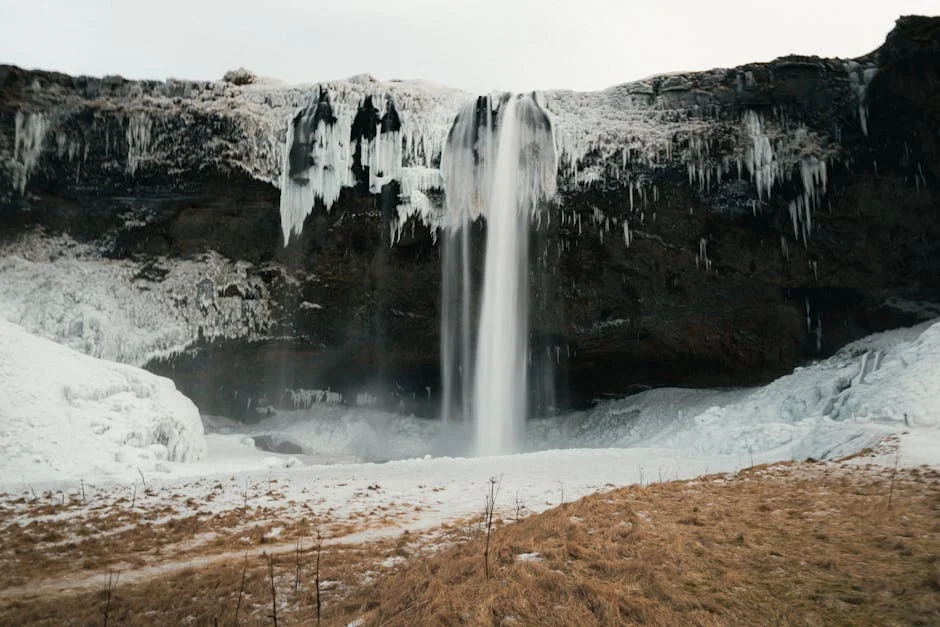
The choice of an ice axe is deeply rooted in the geography and culture of Iceland. Iceland is an island nation defined by its glaciers, volcanoes, and rugged terrain, where the ice axe is a tool of survival and exploration. By gifting a replica of this tool, Modi acknowledged the unique identity of his counterpart’s nation. It signals a respect for Iceland’s role as a pioneer in renewable energy and sustainable living.
This diplomatic nuance matters because it moves beyond traditional state visits that often rely on generic gifts like shawls or busts. The ice axe represents resilience and the ability to carve a path through challenging landscapes. For India, a country looking to expand its influence beyond its immediate neighbourhood, such precise symbolism helps build personal rapport between leaders. This rapport can translate into smoother negotiations on complex trade deals and energy partnerships.
Indian diplomats in New Delhi have emphasized that this gesture is part of a broader strategy to engage with the 'Third Neighbourhood' of India. This term refers to nations like Iceland, Norway, and Finland that are crucial for access to Arctic resources. The ice axe, therefore, is a metaphor for India’s determination to penetrate new markets and secure vital resources that will define the next decade of economic growth.
Energy Security and the Green Transition
One of the most direct implications for Indian citizens is the potential boost to India’s energy security. Iceland is a global leader in geothermal and hydroelectric power, generating over 80% of its electricity from renewable sources. India, currently the world’s third-largest energy importer, is eager to replicate some of these successes. The diplomatic warmth established by such gestures paves the way for technical collaborations in geothermal exploration.
Geothermal Potential in the Himalayas
India’s Himalayan region holds immense geothermal potential, yet it remains largely untapped. Icelandic technology could help India unlock this resource, reducing dependence on imported coal and natural gas. For households in states like Himachal Pradesh and Uttarakhand, this could mean more stable electricity prices and cleaner air. The collaboration could also lead to joint ventures where Icelandic firms bring expertise while Indian companies provide market access and labor.
Beyond geothermal energy, Iceland is a hub for green hydrogen production. India’s National Green Hydrogen Mission aims to make the country a global hub for production and export by 2030. Partnerships with Iceland could accelerate this timeline, bringing down costs for industries and eventually for consumers. Lower energy costs for industries like steel and aluminium would translate to cheaper goods for the average Indian shopper, helping to tame inflation.
Economic Opportunities for Indian Businesses
The symbolic importance of the ice axe gift extends to the boardrooms of Indian companies. Iceland’s market is small but wealthy, with a high per capita income. For Indian IT firms, pharmaceutical companies, and engineering services, Iceland represents a niche but lucrative market. The diplomatic opening could lead to bilateral investment treaties that reduce barriers for Indian exporters.
Indian pharmaceutical companies, in particular, have shown interest in the Nordic region due to its robust healthcare infrastructure and high demand for generic drugs. A stronger political relationship can facilitate faster regulatory approvals for Indian medicines in Iceland and, by extension, the broader European market. This is crucial for Indian pharma giants like Sun Pharma and Dr. Reddy’s, which are looking to diversify their export destinations beyond the United States and Europe.
Furthermore, the tourism sector could see a surge in interest. Iceland has long been a dream destination for Indian travelers, but it has often been considered expensive and distant. Improved diplomatic ties could lead to direct flight connections or airline alliances, making travel more accessible. For the middle-class Indian family, a vacation to the Land of Fire and Ice could become a more feasible annual plan, boosting the domestic travel and hospitality industries.
Geopolitical Weight in the Arctic Council
Iceland’s status as an observer in the Arctic Council gives India a strategic ally in the race for Arctic resources. The Arctic is becoming a critical theater for global trade, with the Northern Sea Route potentially cutting shipping times between Asia and Europe by up to 40%. India’s recent accession as an observer in the Arctic Council was a major diplomatic win, but maintaining that influence requires active engagement with key regional players like Iceland.
The ice axe gift underscores India’s commitment to being a stakeholder in the Arctic, not just a bystander. This has direct implications for Indian shipping companies like the State Trading Corporation and private players like Maersk India. If the Northern Sea Route becomes a viable alternative to the Suez Canal, Indian exports to Europe could become faster and cheaper. This would enhance the competitiveness of Indian goods in the European market, benefiting manufacturers in Gujarat and Tamil Nadu.
Additionally, the Arctic is rich in untapped mineral resources, including rare earth elements essential for electronics and electric vehicles. India’s reliance on China for rare earths is a strategic vulnerability. Collaborations with Iceland, which is exploring its own mineral wealth, could help India diversify its supply chain. This would have a cascading effect on the Indian electronics manufacturing sector, potentially lowering the cost of smartphones and laptops for consumers.
Community Responses and Public Perception
In New Delhi, the reaction to the gift has been largely positive, with many seeing it as a sign of a more sophisticated and culturally aware foreign policy. Social media users have praised the uniqueness of the gift, contrasting it with the often-repeated diplomatic tokens of the past. This positive public sentiment can strengthen the government’s narrative of a 'Vibrant India' that is both rooted in tradition and open to global innovation.
However, for the average citizen, the impact will be felt only if the symbolism translates into tangible benefits. There is a growing demand for transparency in how these diplomatic engagements lead to economic gains. Citizens are asking whether the partnerships with Iceland will lead to job creation, better technology transfer, or lower prices for essential goods. The government needs to communicate these benefits clearly to maintain public support for its foreign policy initiatives.
Local communities in India’s northern states, particularly those with strong cultural ties to the Himalayas, may feel a special connection to Iceland’s landscape. Educational exchanges and cultural festivals between the two nations could foster a deeper understanding and appreciation. Schools and universities might introduce more joint research projects on climate change, benefiting students and academics in both countries.
What to Watch Next
The next critical step in this diplomatic relationship is the signing of a Memorandum of Understanding (MoU) on renewable energy cooperation. This document is expected to be finalized in the coming months, outlining specific projects and investment figures. Indian businesses should monitor these developments closely, as they will signal the first concrete opportunities for market entry.
Additionally, the Indian government is likely to announce a new visa regime for Icelandic tourists and business travelers, aimed at boosting bilateral trade. Travelers and exporters should keep an eye on the Ministry of External Affairs for updates on these policy changes. The success of this strategic pivot will depend on how quickly these symbolic gestures translate into hard economic data, with the first quarterly trade reports from both nations serving as key indicators of progress.
Frequently Asked Questions
What is the latest news about modis ice axe gift to iceland signals new arctic strategy?
Prime Minister Narendra Modi presented a handcrafted replica of an ice axe to Icelandic Prime Minister Bjarni Benediktsson during a recent diplomatic exchange.
Why does this matter for development?
The gift is not merely a token of friendship but a calculated move to deepen economic and geopolitical ties with a nation that serves as a gateway to the North.
What are the key facts about modis ice axe gift to iceland signals new arctic strategy?
A Symbolic Bridge Across Hemispheres The choice of an ice axe is deeply rooted in the geography and culture of Iceland.